
Weekly News |
|
|
|
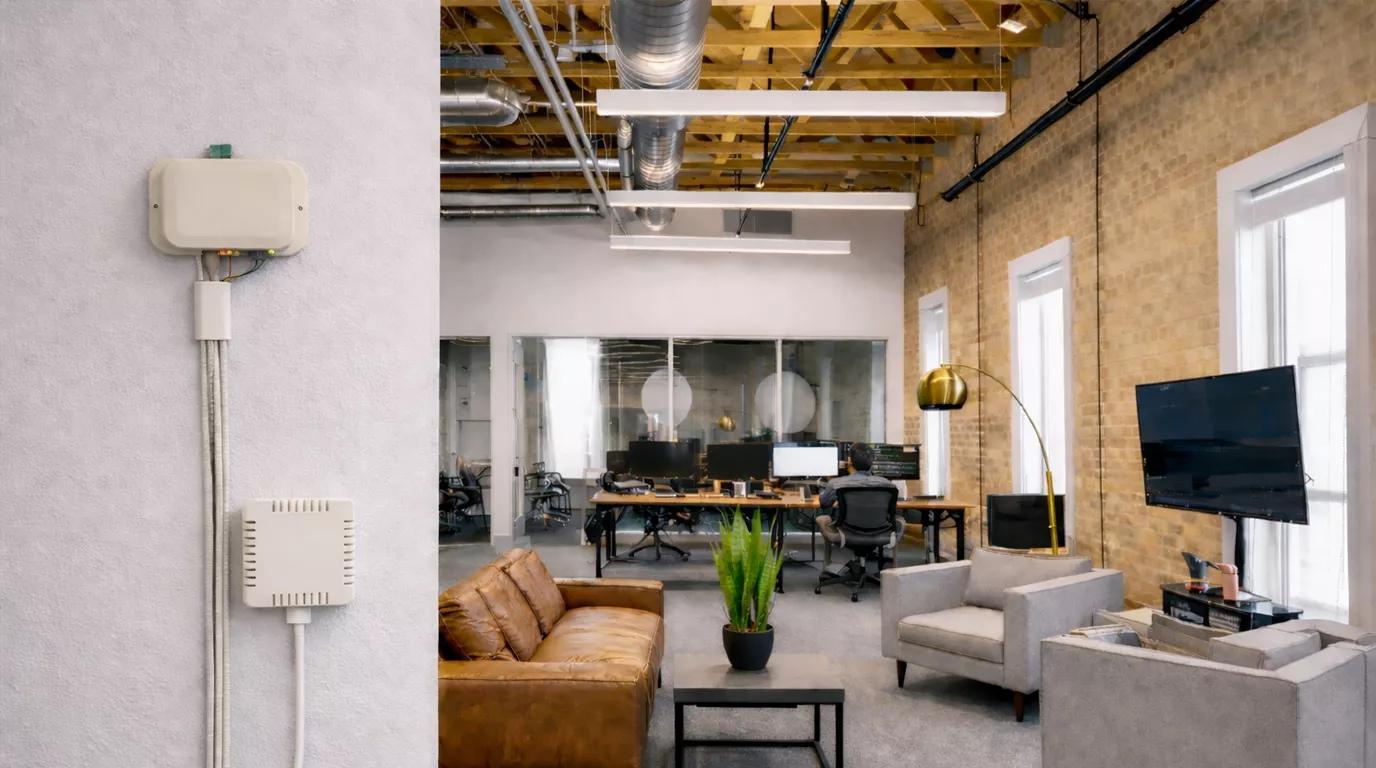
Integrating air quality monitoring into HVAC control strategiesModern buildings are expected to do more than just maintain temperature – they must also support health, productivity, and energy efficiency. For facility managers and HVAC engineers, this creates a constant balance between maintaining good indoor air quality and minimizing energy use. By integrating real-time air quality monitoring into HVAC control strategies, buildings can move beyond static operation and instead adapt ventilation based on actual needs – resulting in better comfort, health, and energy efficiency. |
|
|
|
From monitoring to intelligent controlTraditional HVAC systems often rely on fixed ventilation levels that rarely reflect real occupancy or pollution conditions. By using continuous air quality data, systems can respond dynamically. As CO2 levels rise, ventilation can increase automatically, and when air quality improves, airflow can be reduced to save energy. With solutions like HibouAir ControlHub®, a closed-loop system is created where sensing, decision-making, and control work together in real time. |
|
|
|
Sollentunavägen 46, 191 40 Sollentuna, Sweden · +46 703 709 706 Book a meeting | Unsubscribe | View online © 2026 HibouAir.com | All rights reserved |